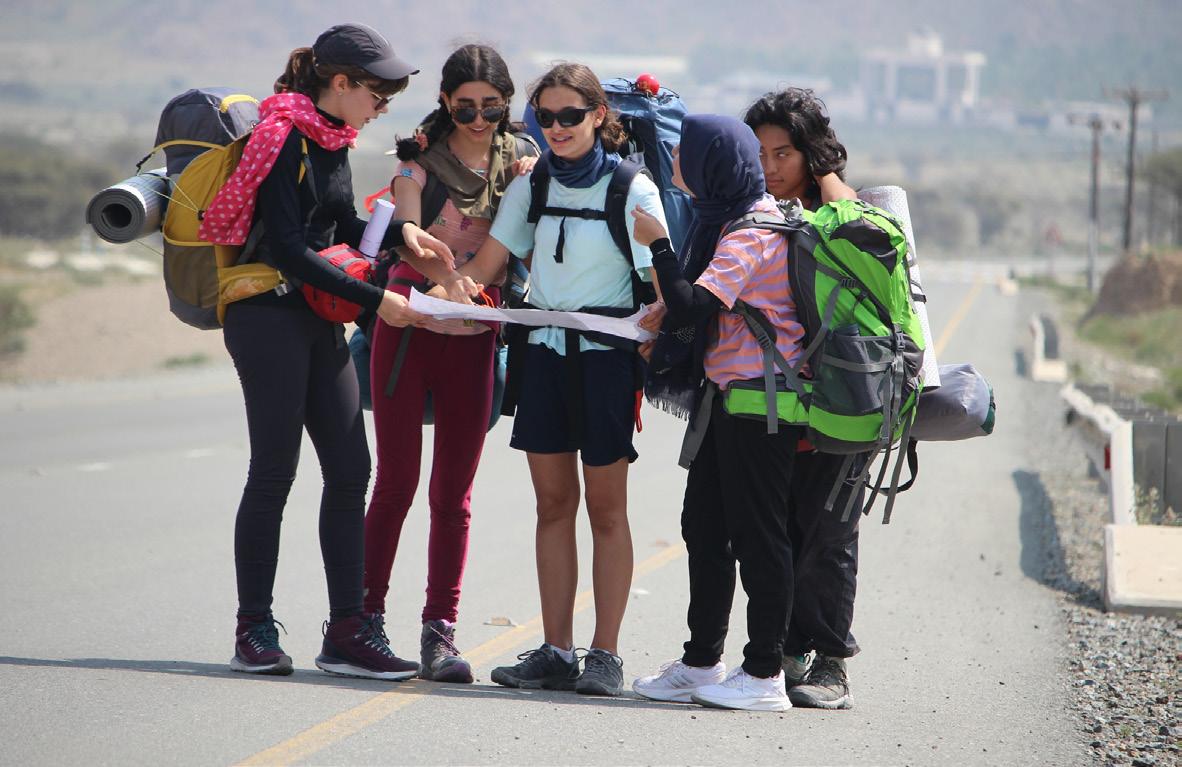
The travel tips you’ll find here are based on real experiences and common mistakes you can easily avoid with proper preparation. From essential documents to advanced money-saving strategies, every tip has been carefully selected to maximize your safety, minimize your expenses, and ensure every moment of your trip is memorable for all the right reasons.

1. Planning Essential Travel Tips Before Takeoff
The planning phase is where successful trips are won or lost. These travel tips will help you lay a solid foundation for your adventure, avoiding the most costly and frustrating mistakes that both beginners and experienced travelers make.
1.1. Critical Documentation Passport, Visas, and Security
Check Passport Validity: This is one of the most critical and frequently ignored travel tips. Many non-European countries, including the United States, Thailand, and Australia, require your passport to be valid for at least six months from your entry date. It’s not enough for it to be valid for your travel dates; it must meet this additional requirement. Check this information at least three months before traveling, as passport renewal can take weeks.
Digital and Physical Backups: A secure documentation strategy includes multiple backups of your most important documents. Scan your passport, travel advice, visas, ID cards, insurance policies, and flight reservations. Save these copies to your email, cloud storage services like Google Drive or Dropbox, and carry separate physical copies of the originals. This redundancy will save you time and money if you lose your key documents.
International Driving Permit: If you plan to rent a car during your trip, check if you need an International Driving Permit. Countries like Australia, Costa Rica, the United States (depending on the state), and Japan require it. This document must be obtained in your home country before your trip, as you cannot obtain it while abroad.
1.2. Your Budget and the Art of Saving (Last Minute Travel Tips)
Search and Compare Prices: Contrary to popular belief, traveling abroad isn’t always more expensive than domestic destinations. The key is smart searching and systematic comparison. Use tools like Google Flights, which lets you view price calendars and set up discount alerts. Compare not only different dates but also airports near your destination, as sometimes flying to a neighboring city and taking ground transportation is significantly cheaper.
Avoid Bank Fees: Currency exchange and ATM withdrawal fees can represent up to 5% of your total travel budget. Research debit and credit cards with no international fees before you travel. To save money, exchange currency preferably at your destination, at local exchange bureaus (avoid airports), and never in your home country, where rates are usually unfavorable.
Be Flexible with Dates and Destinations: Flexibility is your best ally for finding amazing deals. Traveling between Tuesday and Thursday can be up to 40% cheaper than on weekends. Consider alternative destinations similar to the one you had in mind; for example, if you wanted to go to Paris, explore whether Lyon or Brussels offers similar experiences at a lower cost. Off-season travel tips include traveling to Europe in the fall or spring, or to tropical destinations during their dry season, but not peak season.
1.3. Health and Safety-Why Travel Insurance is Non-Negotiable
Purchase Comprehensive Travel Insurance: Comprehensive travel insurance isn’t an optional expense; it’s an investment in your peace of mind and financial security. A suitable policy should cover medical expenses (minimum €100,000 for Europe, €300,000 for the United States), emergency dental expenses, medical repatriation, trip cancellations for justifiable reasons, lost or delayed luggage, and civil liability. The price differences between basic and comprehensive policies are minimal compared to the potential cost of a medical emergency abroad.
Vaccinations and Local Health: Consult your country’s International Vaccination Centers at least 6-8 weeks before your trip. Some destinations require specific vaccinations such as yellow fever, hepatitis A and B, or malaria prophylaxis. Also, research the quality of drinking water at your destination and whether you will need to take special precautions with raw foods or ice in drinks.
Essential First Aid Kit: A well-stocked first aid kit includes pain relievers (ibuprofen, paracetamol), antihistamines for allergies, anti-diarrheal medication, antiseptics, adhesive bandages, a digital thermometer, and any personal medications you take regularly (bring more than you think you’ll need in case of delays). If you take prescription medications, bring a copy of your prescription translated into the language of your destination country.
2. Packing Strategies Tips for Traveling Light and Efficiently
The art of efficient packing can make the difference between a comfortable trip and a tiring experience. These travel tips will help you optimize your luggage, reduce costs, and increase your mobility while traveling.
2.1. The Principle of Traveling Light
Forget the “Just in Case” items: The fundamental rule of experienced travelers is that approximately 80% of “extra” luggage returns home unused. Before packing anything, ask yourself: “Will I definitely use this in the next few days?” If the answer isn’t a resounding yes, leave it at home. This principle applies especially to excess clothing, redundant electronic gadgets, and “emergency” items that you can easily buy at your destination if you really need them.
Use Local Laundromats: A key strategy for traveling light is to plan to do laundry during your trip. Pack clothes for a maximum of 5-7 days, regardless of the length of your trip. Many travel tips and accommodations offer laundry services or access to washing machines. If you’re staying in Airbnbs or apartments, using a local laundromat will allow you to pack half as much and always have fresh clothes.
Detailed Packing List: Create a categorized list that includes: mix-and-match clothes in neutral colors that you can easily combine, a maximum of two pairs of shoes (the ones you’re wearing and one extra), mini-personal hygiene products (remember the 100ml liquid restrictions for hand luggage), and multifunctional items like a jacket that doubles as a travel pillow.
2.2. Technology and Connectivity Don’t Forget Your Universal Adapter
Local SIM or eSIM: If you’re traveling outside the European Union, consider buying a local SIM card upon arrival or setting up an eSIM before your trip. This can drastically reduce international roaming costs. Many airports have telecom shops where you can purchase prepaid SIMs with local data and calls at very affordable prices compared to your national operator’s roaming plans.
Offline Maps: Download offline maps of your destination before you travel using apps like Google Maps, Maps.me, or Citymapper. This preparation will allow you to navigate without an internet connection, saving mobile data and ensuring you never get lost, even in areas with poor coverage. Mark important points of interest and travel, tips such as your hotel, recommended restaurants, and main tourist sites.
Adapters and External Batteries: A universal plug adapter is essential for any international trip. Look for models that include built-in USB ports to charge multiple devices simultaneously. A high-capacity external battery (20,000 mAh minimum) will ensure your smartphone and other essential devices never run out of power during long days of sightseeing or airport delays.
3. During the Trip Recommendations for Safe and Enjoyable Travel
Once you arrive at your destination, these travel recommendations will help you maximize your experience, stay safe, and make the most of every moment of your adventure.
3.1. Traveler’s Mindset Overcoming Fear and Anxiety
Fear is Irrational: Pre-trip anxiety is completely normal, especially before your first international trip. However, the reality of travel is often the complete opposite of the negative scenarios we mentally construct. Travel statistics show that travel is incredibly safe, and most of the “problems” we imagine never materialize. Focus on the positive and exciting aspects of your upcoming adventure.
Traveling Solo Is Possible: If no one in your inner circle can or wants to join you, don’t give up on your dream destination. Traveling alone can be one of the most enriching and transformative experiences of your life. Your first solo trip is invariably the most psychologically challenging, but also the one that will give you the most confidence for future adventures. You’ll begin to appreciate the freedom to completely decide your itinerary and the ease of connecting with other travelers and locals.
Embrace Slow Travel: Especially for your first trip abroad, avoid exhaustive itineraries with daily city changes. Slow travel allows you to experience destinations more deeply, reduce logistical stress, and, interestingly, save money by not constantly paying for transportation and directions. Plan your trip to stay at least 3-4 nights in each destination to truly absorb its culture and atmosphere.
3.2. Navigation and Communication
Don’t Be Ashamed to Ask: Asking locals for directions, recommendations, and advice is essential for a successful trip. Most people are willing to help friendly tourists, even with language barriers. This is one of the most valuable travel tips: the curiosity and humility to ask for help will lead you to discover places and experiences that no tourist guide can offer.
Language Not Essential: While speaking basic English significantly facilitates international communication, it is not essential. Necessity and context will lead you to find creative ways to communicate: drawings, gestures, translation apps, and even charades. Many travelers have had incredible experiences in countries where they didn’t speak a word of the local language.
Research Local Transportation: Before arriving at your destination, research the available transportation options. Compare prices and travel times for domestic flights, trains, buses, and rental cars. Download local public transportation apps and services like Uber or local equivalents. Familiarize yourself with the subway system if your destination has one, as it’s often the fastest and cheapest way to get around.
3.3. Cultural Immersion and Gastronomy
Go with an Open Mind: Culture shock is an integral part of travel and should be embraced as an opportunity for personal growth. Maintain a curious and respectful attitude toward customs that may initially seem strange. Try exotic flavors, observe different rhythms of life, and learn from alternative perspectives on work, family, and happiness. This open-mindedness is what transforms a simple trip into a truly transformative experience.
Respect Local Customs: Research the cultural norms of your destination beforehand, especially regarding dress in religious sites, tipping, bargaining in markets, and behaviors considered rude or inappropriate. This knowledge will not only help you avoid awkward situations but will also demonstrate respect for the local culture and open more doors for authentic interactions.
Eat Safely: Opt for hot, freshly cooked food, especially in destinations with different sanitary standards than you’re used to. Avoid raw salads, ice in drinks, and tap water if you’re unsure of its quality. Restaurants frequented by locals are often safer and more authentic than tourist-only establishments. Always carry probiotics and anti-diarrheal medication as a precaution.
4. One Step Ahead Using Advanced Technology for Your Travel Advice
Modern technology can revolutionize the way you travel, offering sophisticated tools that were unthinkable just a few years ago. These tech-savvy travel tips will position you as a traveler of the future.
4.1. Artificial Intelligence (AI) Assisted Planning
Create Personalized Itineraries with AI: Generative artificial intelligence tools can create detailed, personalized itineraries in minutes, taking into account your specific preferences, budget, trip duration, and particular interests. Provide detailed context about your tastes (history, gastronomy, adventure, relaxation), physical limitations, and available budget to obtain surprisingly accurate and useful suggestions.
These platforms can also suggest optimal travel dates based on weather, historical prices, and local events. Some can set up smart price alerts that not only monitor flights but also learn from your search patterns and preferences to send you highly relevant notifications about deals that truly interest you.
4.2. Logistics and Customer Service
Prioritize Companies with 24/7 Multichannel Support: When booking flights, hotels, and travel services, prioritize companies that offer fast and accessible customer support. Look for travel advice options that offer contact via WhatsApp, real-time online chat, and 24/7 toll-free phone numbers. These channels can be vital for resolving urgent issues such as cancellations, flight changes, or emergencies at your destination.
Avoid Buying Based on Price Alone: While price is an important factor, poor customer service can prove considerably more costly when problems arise. A low-cost airline that doesn’t respond to urgent inquiries, or a hotel without staff who speak international languages, can turn minor inconveniences into major crises. Research reviews specifically related to customer service before making important bookings.
Read recent reviews about how companies handle cancellations, delays, and emergencies. A slightly higher price that includes peace of mind and reliable support is often a smart investment, especially for long trips or unfamiliar destinations where your ability to resolve issues independently may be limited.
Travel Tips-Your Next Adventure Starts Now
These travel tips represent decades of collective experience, costly mistakes turned into valuable lessons, and proven strategies that will transform the way you explore the world. From meticulous planning to flexible execution, every travel tip in this guide is designed to maximize your safety, minimize your expenses, and ensure that every moment of your adventure is memorable.
Remember that travel is as much about preparation as it is about spontaneity. Use this guide as your solid foundation, but remain open to the surprises and unexpected opportunities that make every trip unique. The best travel advice often comes from being prepared for the unexpected and maintaining a positive attitude in the face of challenges.
Whether you’re planning your first international adventure or looking to optimize your future getaways, these travel tips provide you with the tools you need to become the confident and experienced traveler you’ve always wanted to be. Your next great adventure awaits—now you have everything you need to make it extraordinary.